overview
An interactive microsite featuring exhibitions and artists of the TextielMuseum, educating viewers of the textile history between two generations before their visit, through a pre-informed narrative experience.
This was an academic project for an information design course and the goal was to create an expressive microsite for a selection of clients. Our client was the TextielMuseum.
First, I came up with a problem statement and content strategy to base our work around:
problem statement
How might we prime consumers with the historical context of the “Color and Abstraction” exhibition through a narrative experience in order to create an informed ticketing experience?
content strategy
user linear navigation to create a sense of immersion
reveal a narrative through continuous exploration
inform ticketing experience with historical context
final microsite
This is an overview of the finalized interactive microsite, starting with the user flow. The past iterations and how we came about the visual direction will be explained further down the page.
introducing the site
The tertiary coloured strips create high contrast, preparing visitors on the landing page for the microsite’s vibrant theme. We wanted to set the tone for the impactful exploration of colours within the exhibition.

narrative text
A text description prefaces each generation and describes a unifying theme of that group’s color exploration. This drives a narrative experience about the two generations and their ways of working.
scroll indicator
The visitor is prompted to scroll and explore. Content is surfaced as the user scrolls, giving them a sense of control, pacing and immersion within the experience, and enhancing the site’s narrative intent.
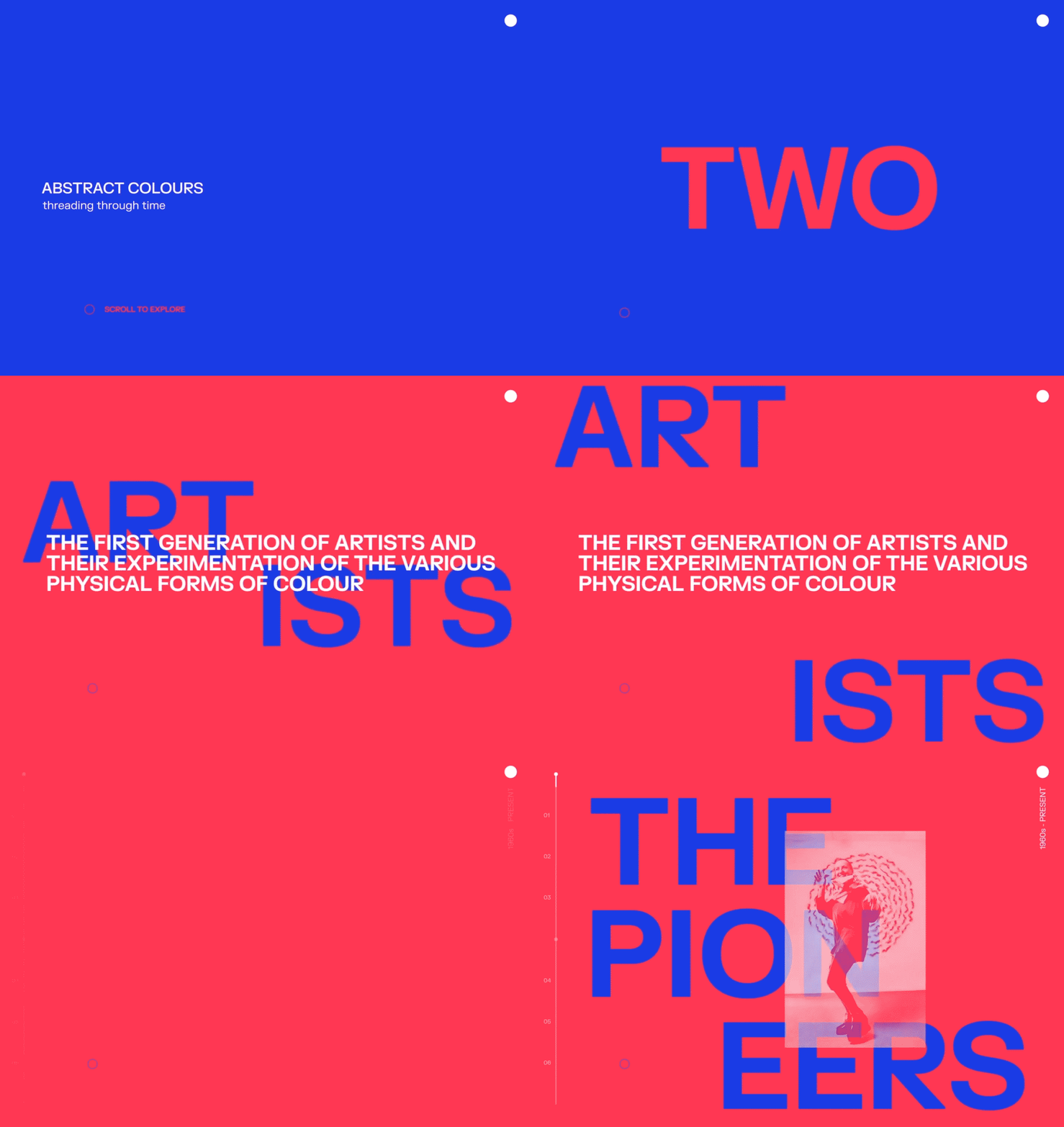
timeline to explore
Hovering over the progress bar reveals the two generation of artists currently being explored. Users may jump between sections by clicking the chapters, similar to skipping pages in a book.
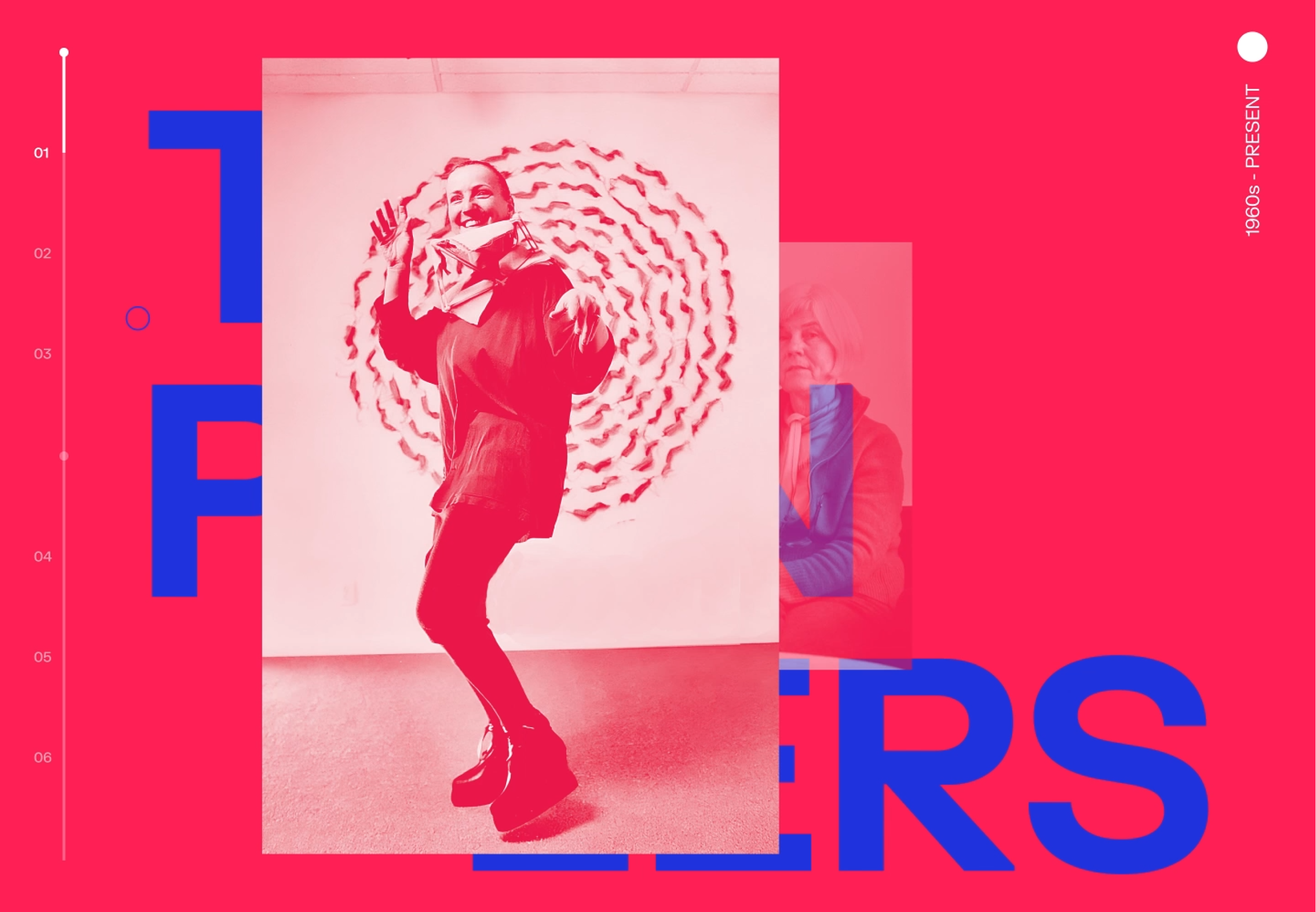
depth scrolling to explore
Scrolling increases opacity and scale, creating a sense of depth and allowing the user to feel as if they are travelling through time across the two generations. A subtle swaying motion enhances the concept of floating through time and space.
colours to categorize
Red is used as a theme for the first generation for its bold qualities which enhance the idea of the “pioneers”, and their explorations that crafted the fundamentals of textile work.
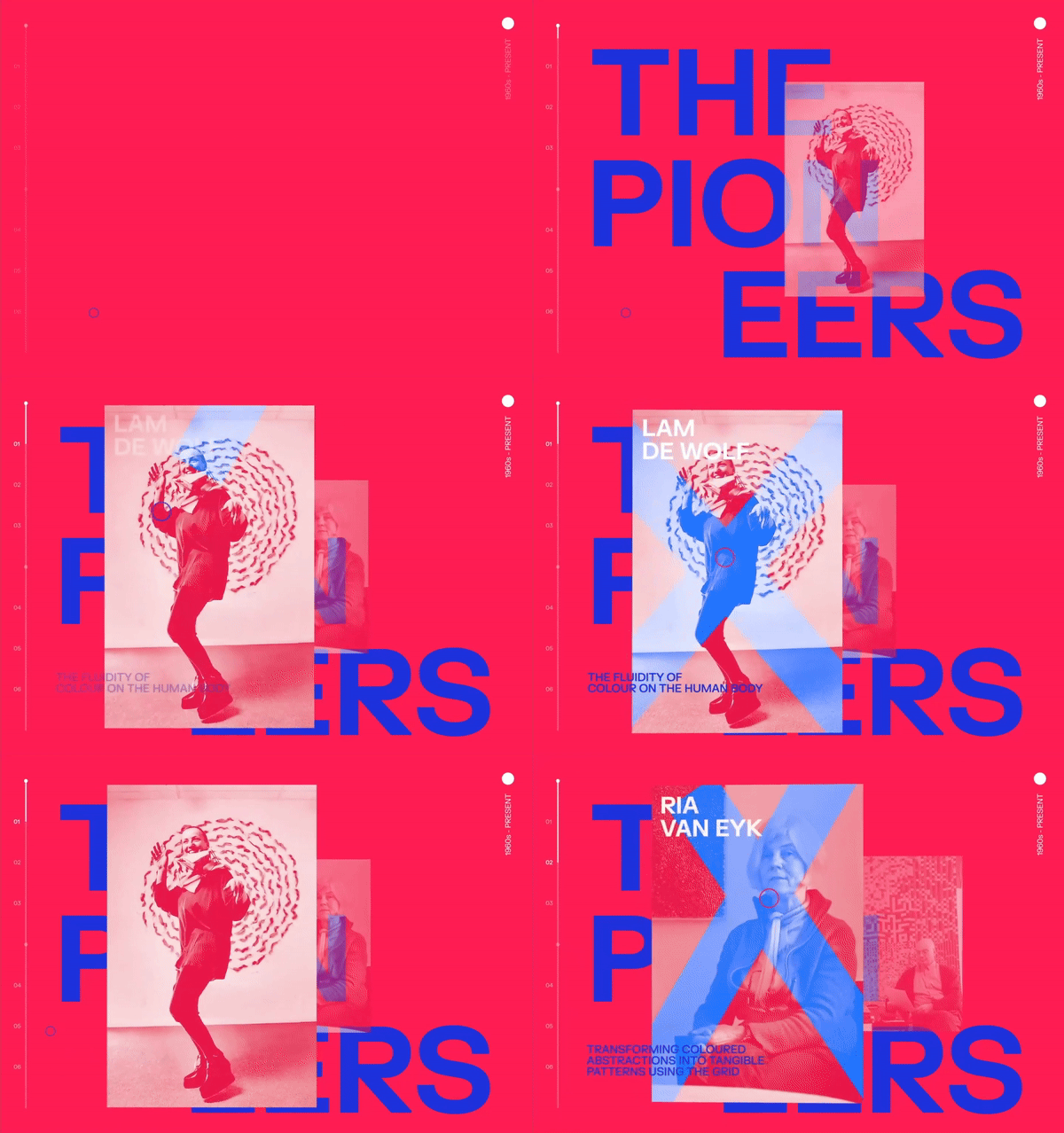
captions to describe artists
As users hover over an artist, a brief statement on their approach to colour is revealed through a reverse colour strip to encourage exploration. Continuing through the page forms a narrative connecting each generation under a common theme.
changes in cursor
For ease of detection, hovering over clickable elements expands the circular cursor, allowing users to engage with the content.
Blue is used as the primary colour for the second generation for its introspective associations and enhances the semantics of their reflective work.
selecting an artist
Clicking the circle reveals a secondary navigation of the whole microsite. As users hover over an artist’s name, previews of their work are revealed to pique interest. I wanted the colors of the navigation to remain consistent with the generation the user is currently exploring when clicking into it, in order to maintain cohesion.
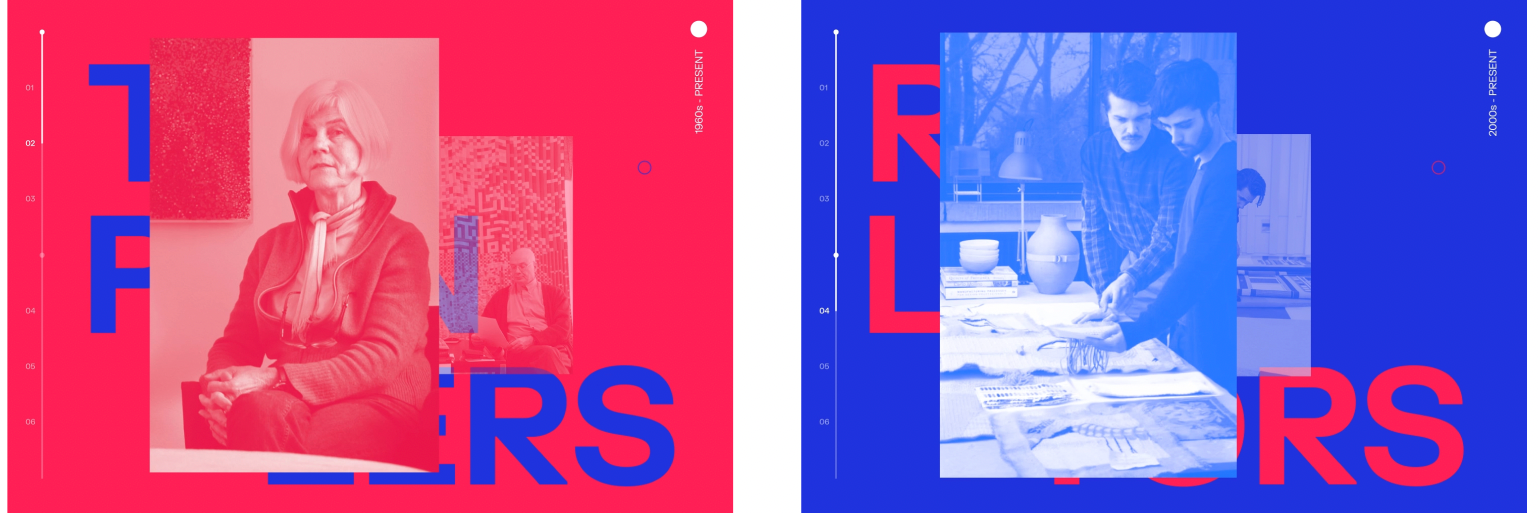
from gallery to artists page
After selecting an artist of choice, users slide to the next page, similarly to flipping to the next chapter. This transition helps the user to feel as if they are continuing along a linear narrative.
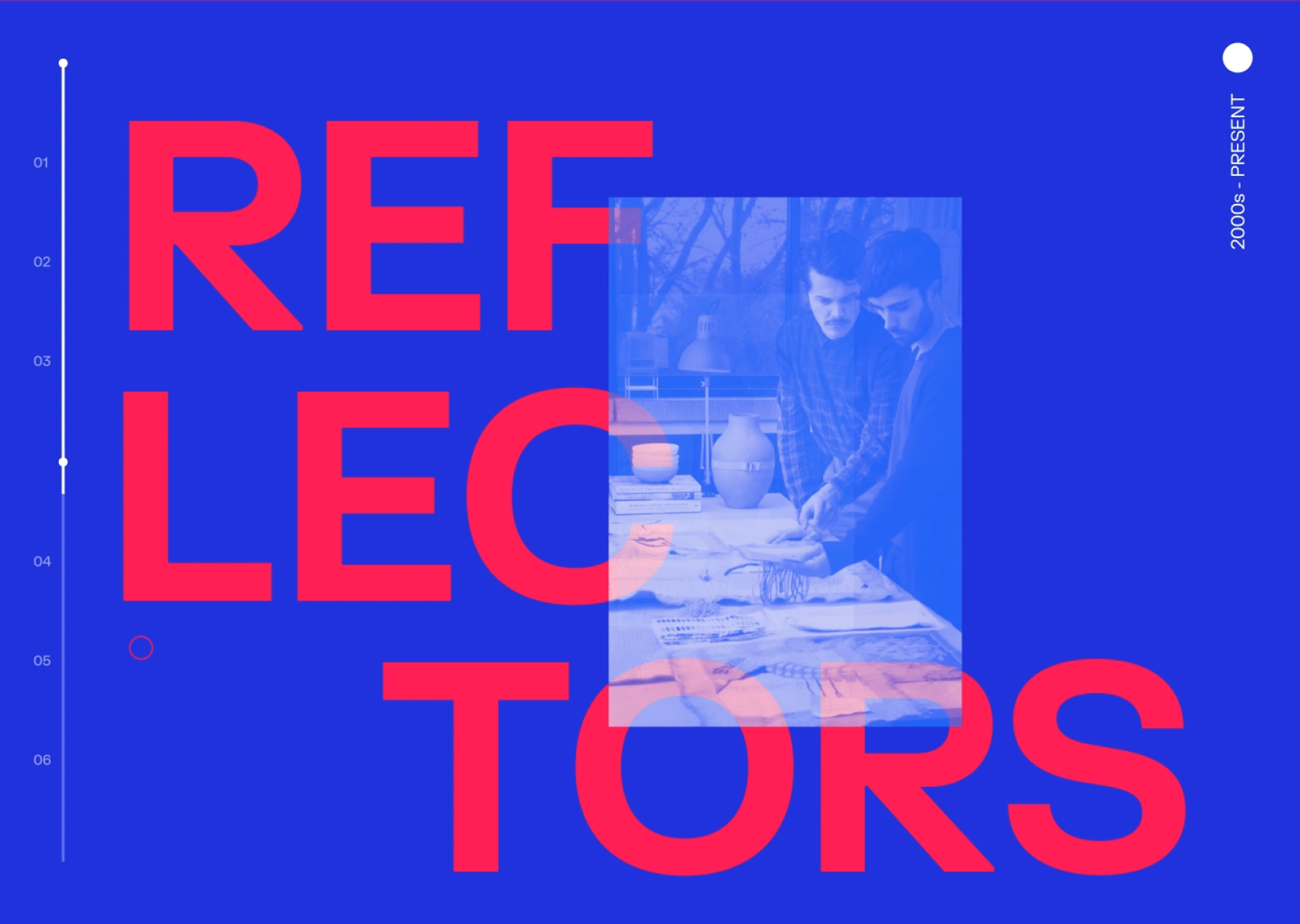
discover their creations
Users are greeted with an introduction of the artist within large scale type. This draws focus to the artist’s name, emphasizing their importance within the exhibition.
strips to unravel
The experience of navigating through the artist page is similar to unfolding a story. Strips reveal information on an artist and symbolizes the unweaving of the textiles.
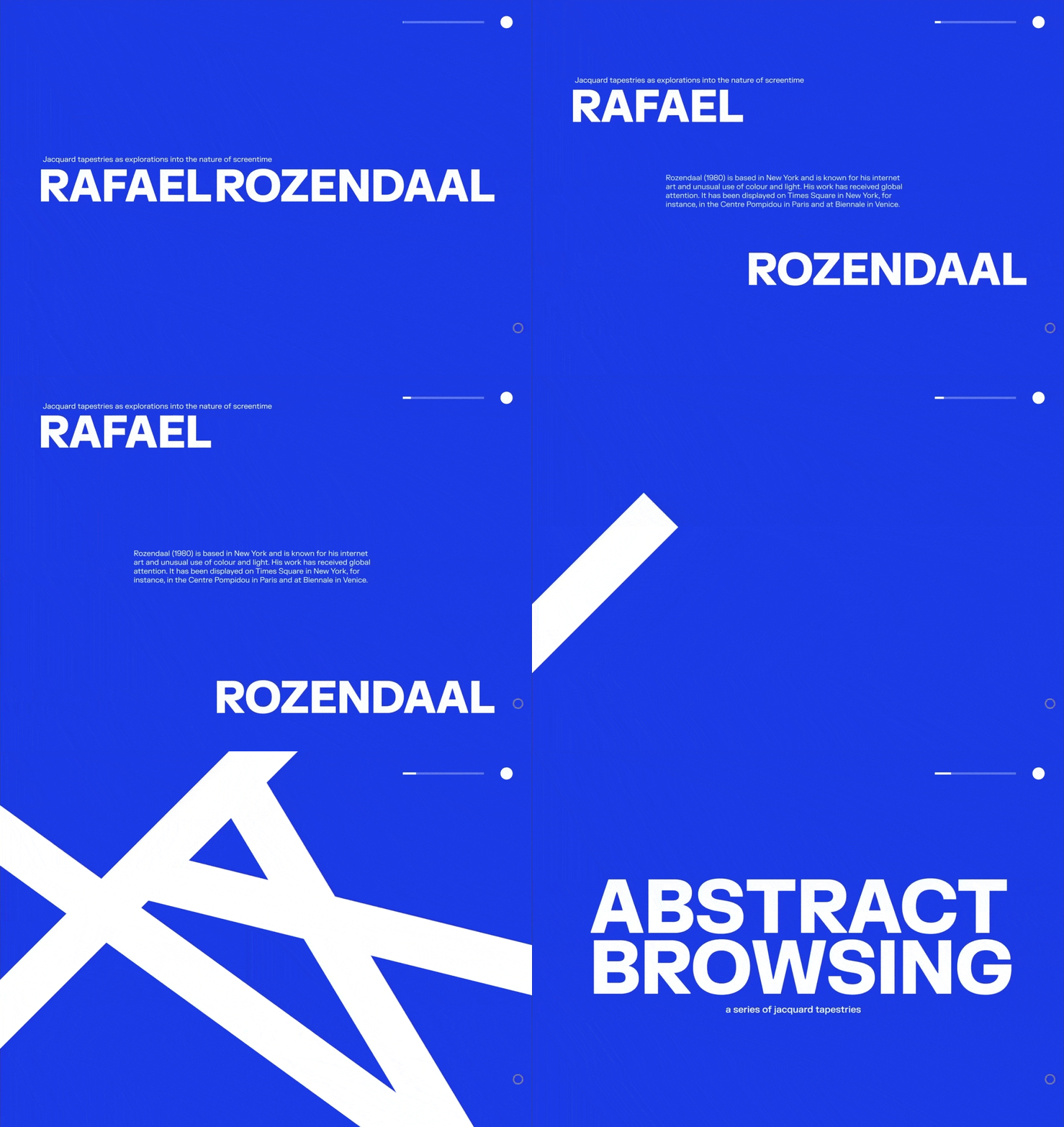
the last chapter
After scrolling to the end of the page, large scale type opens up to signify the end of the experience. An arrow then appears, prompting users to click and purchase a ticket to the exhibition.
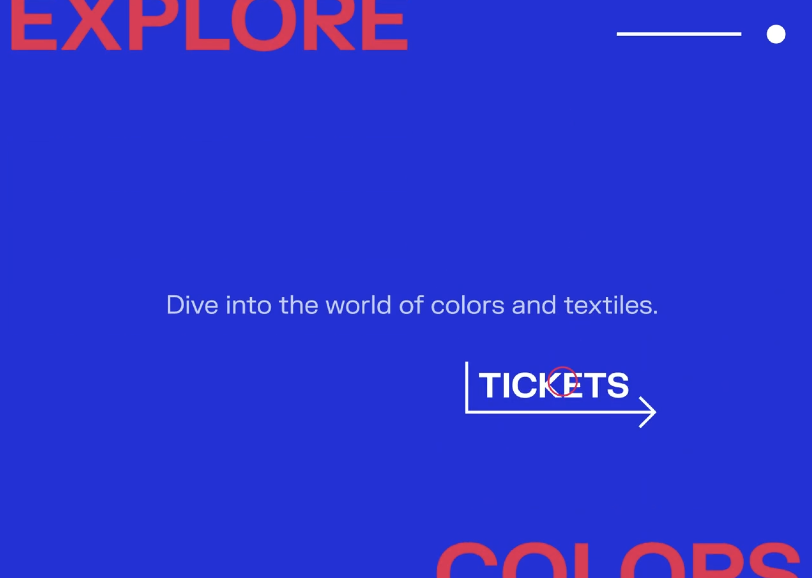
visiting the exhibition
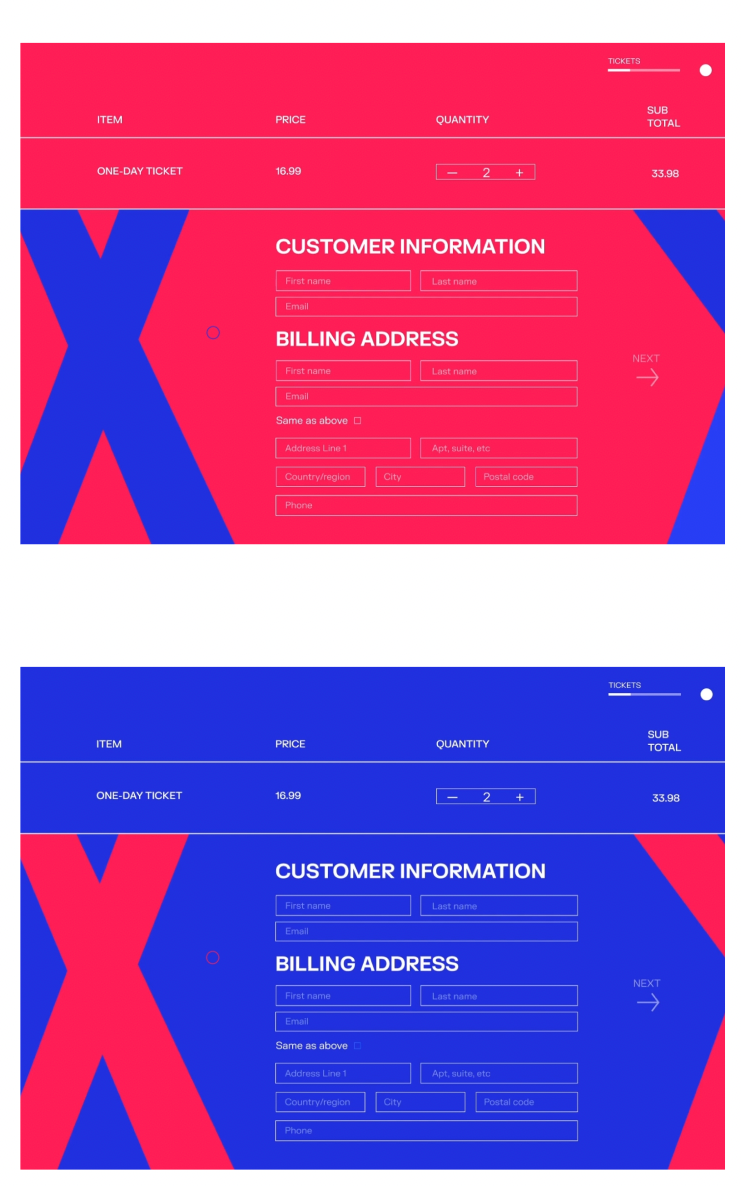
Depending on the generation the artist was from, I made screens to redirect users to a tickets page with that generation’s corresponding colour to maintain cohesion.
After filling in all necessary information and placing the order, they are offered the opportunity to re-explore artists to encourage continuous learning before their visit.
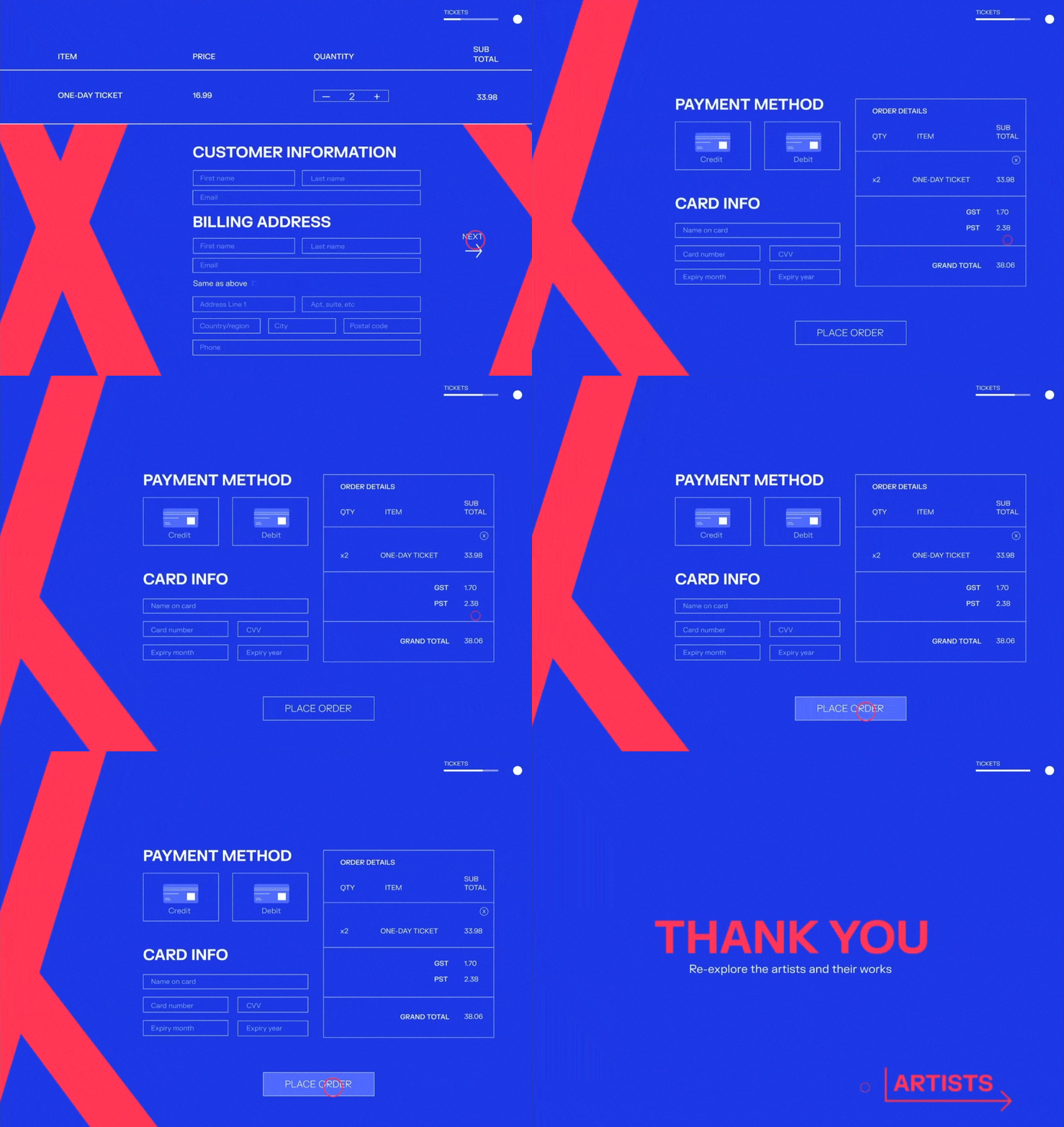
iteration
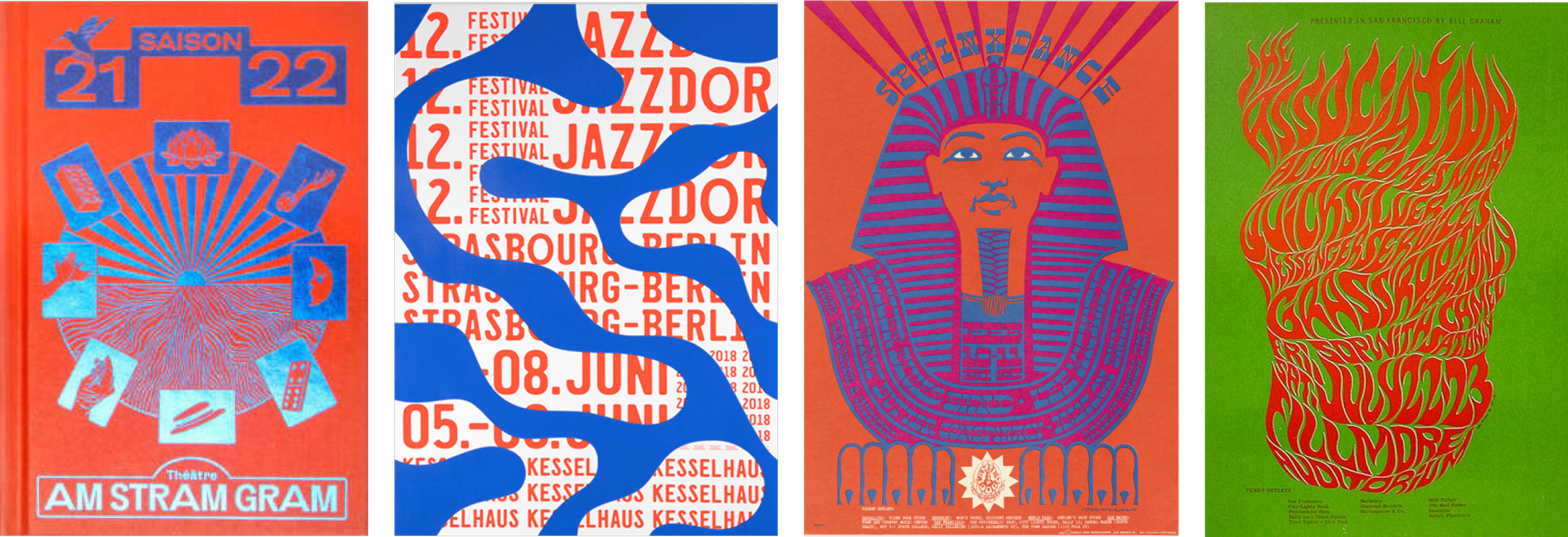
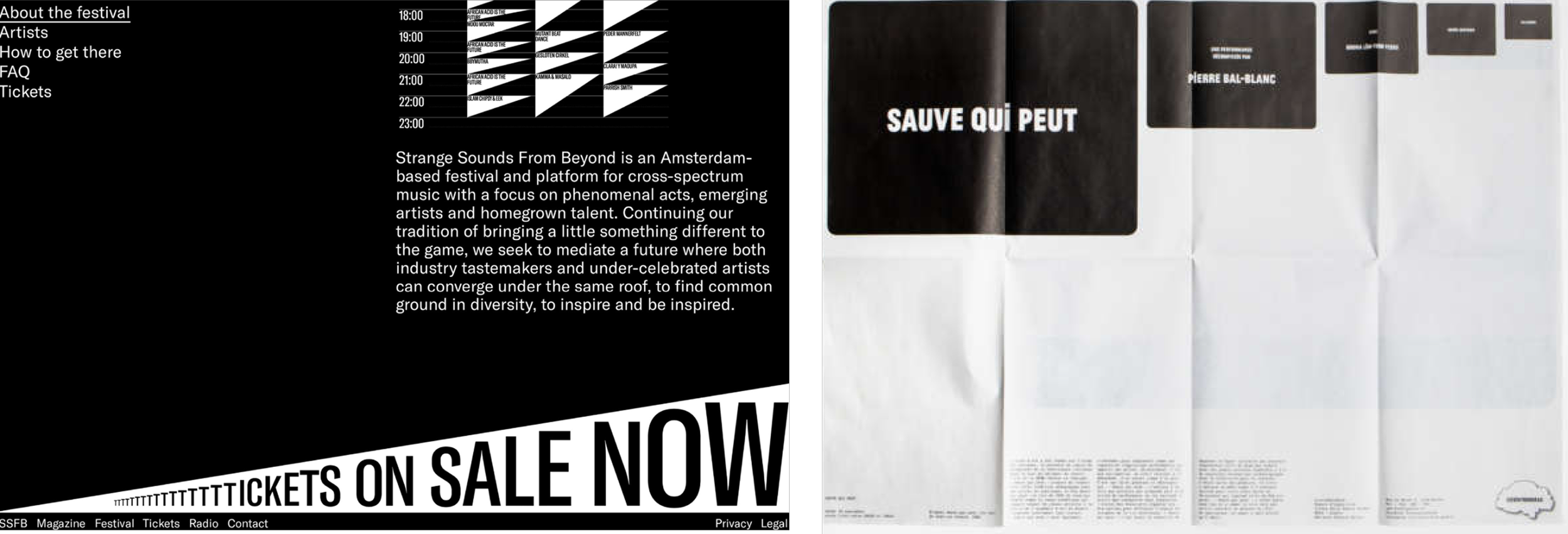
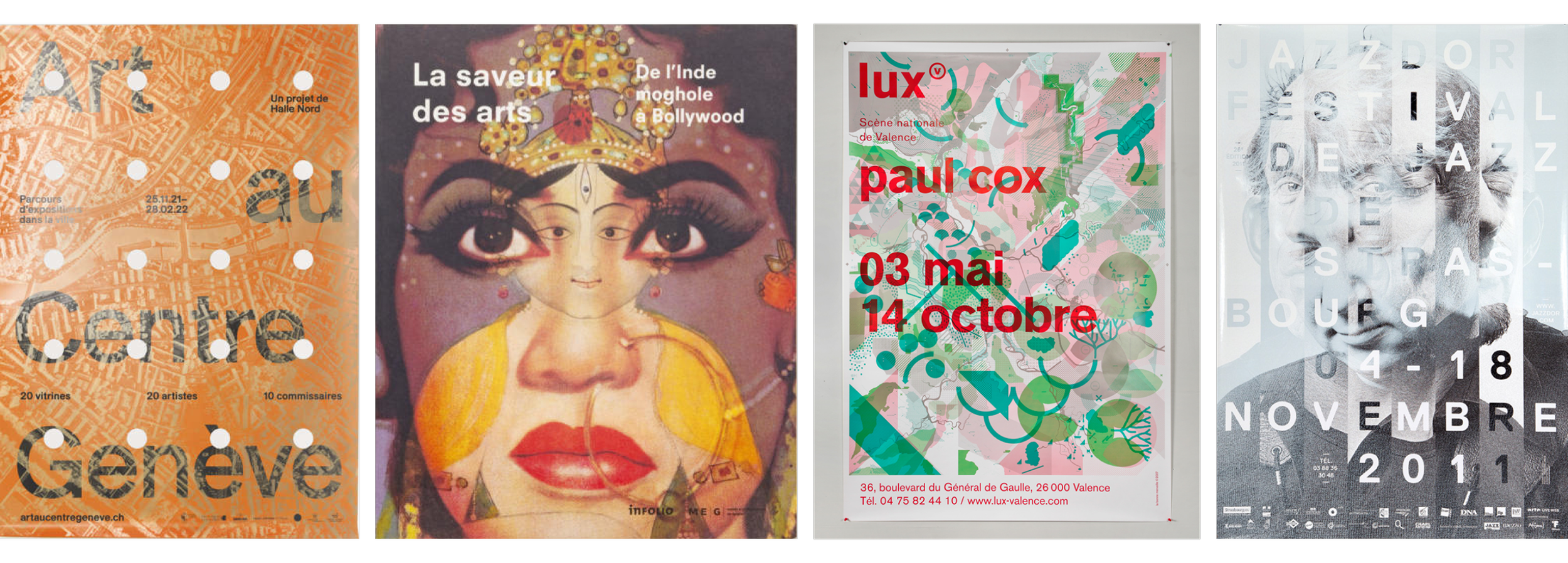
Our microsite was based off of a poster that we designed after incorporating Ellen Lupton’s design principles with design qualities from contemporary precedents such as NeoNeo and Main Studio. This way, we could mix and match different combos of principles and qualities while iterating.
Combinations of high contrast colours that vary in hue, manifest hierarchy by eliminating figure-ground ambiguity. Through this process, contrasting elements become the subject of focus..
I mainly experimented with layering different textures to create depth and complexity. Most of my posters included trying out different transparency levels, and playing with the sizing of typography and economic use of space.
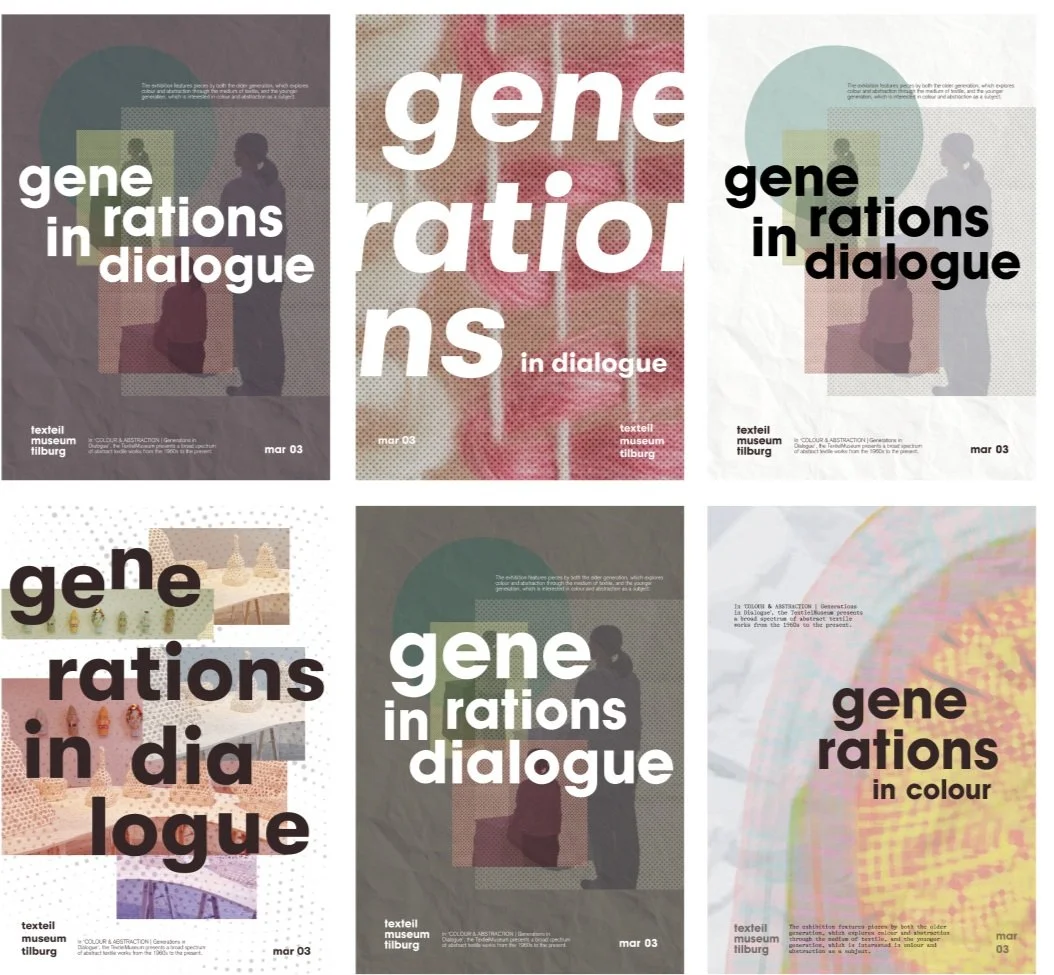
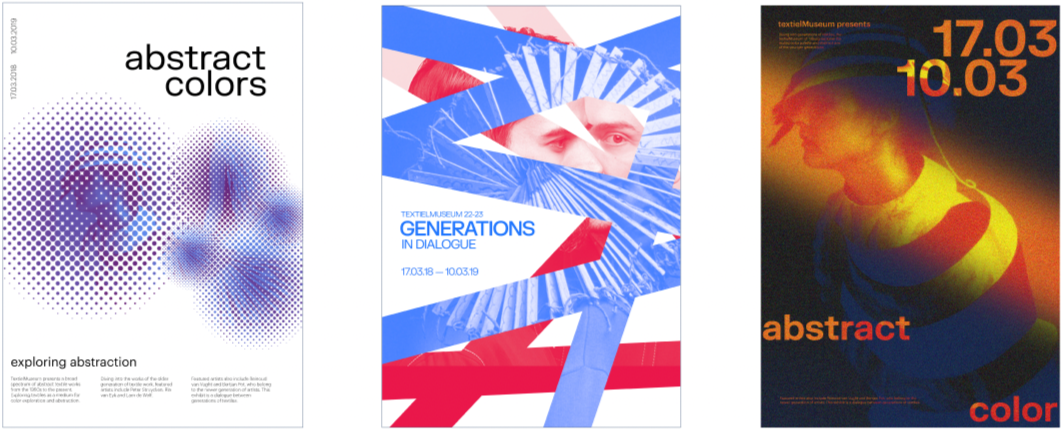
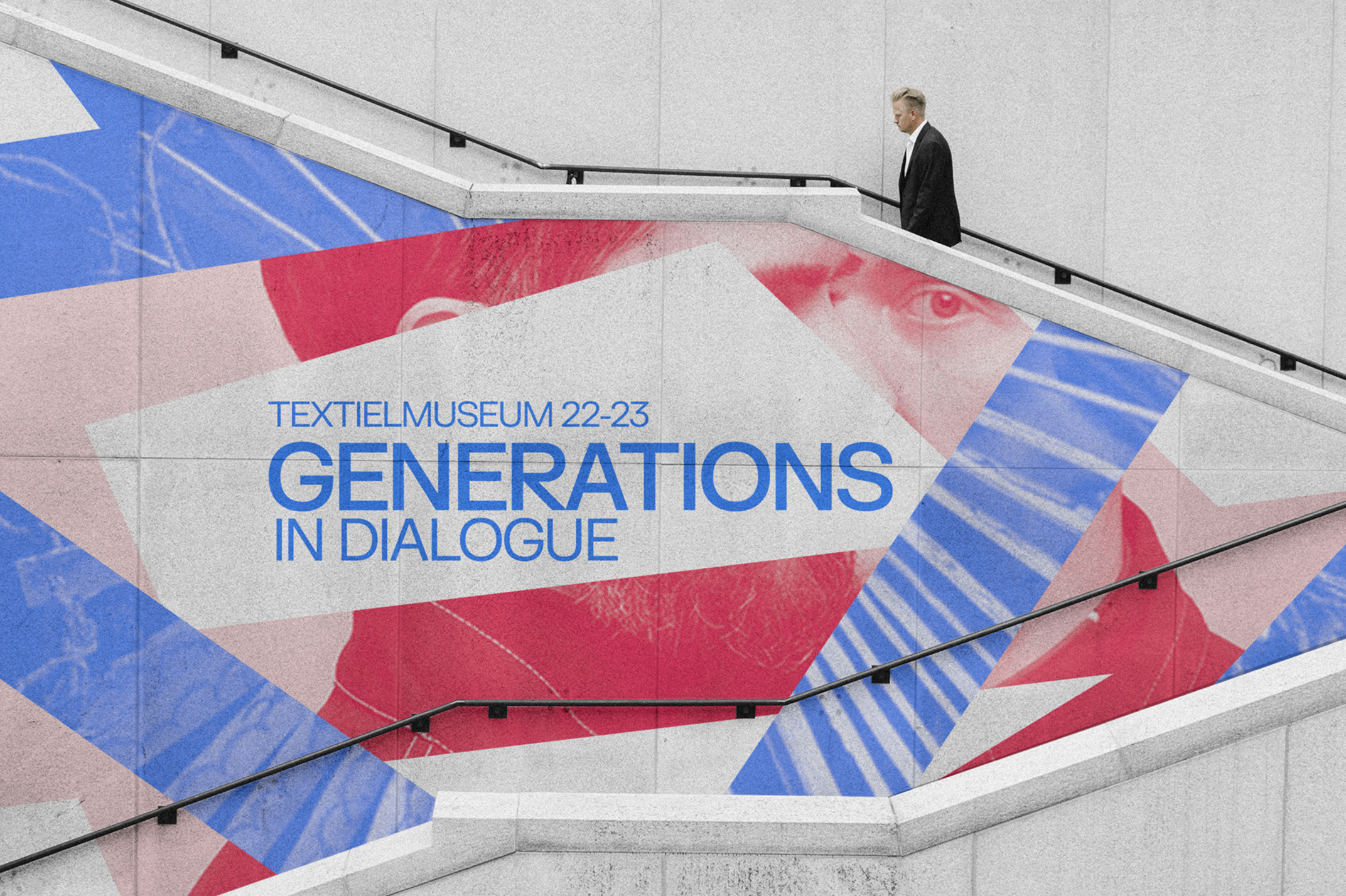
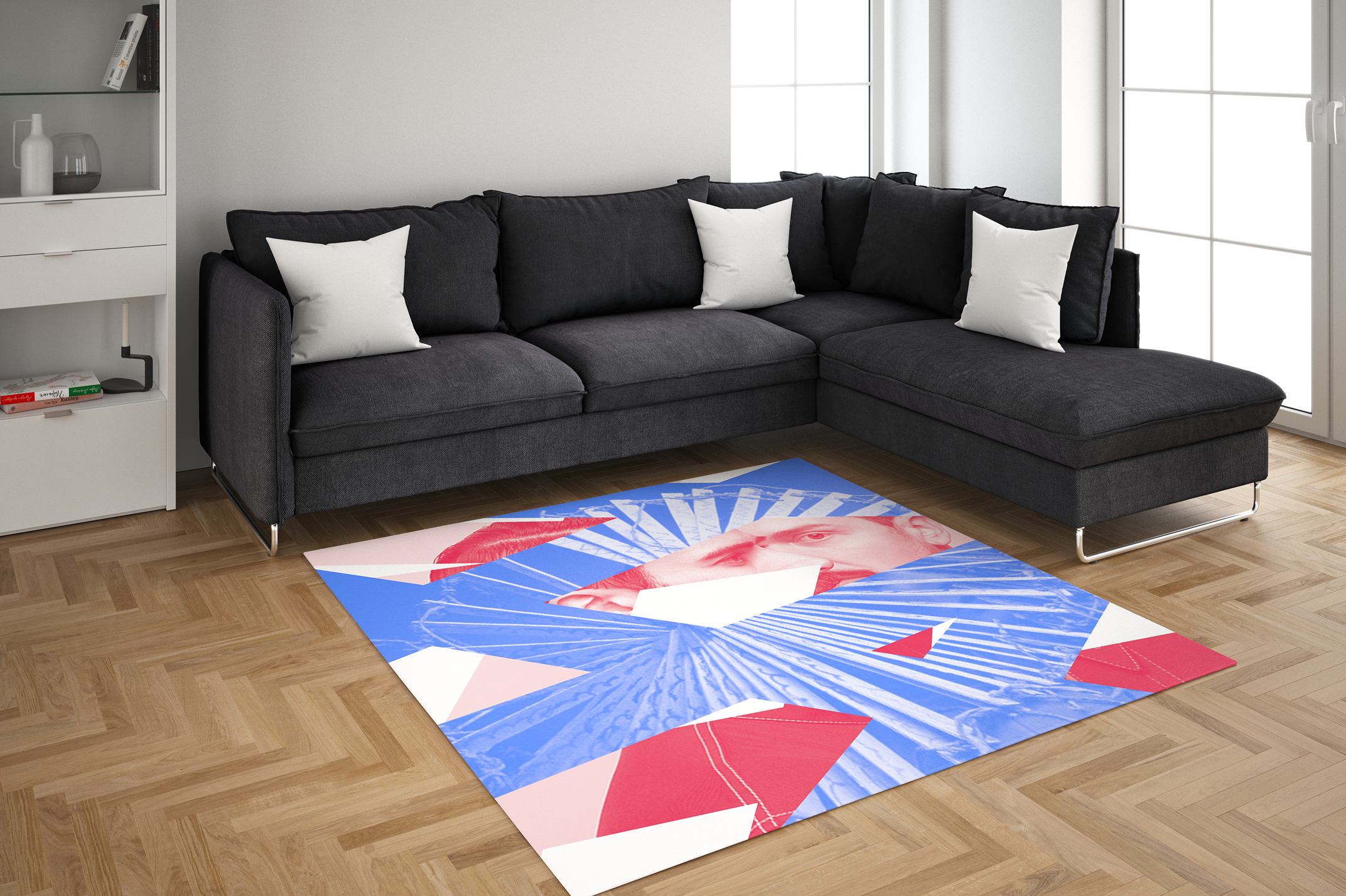
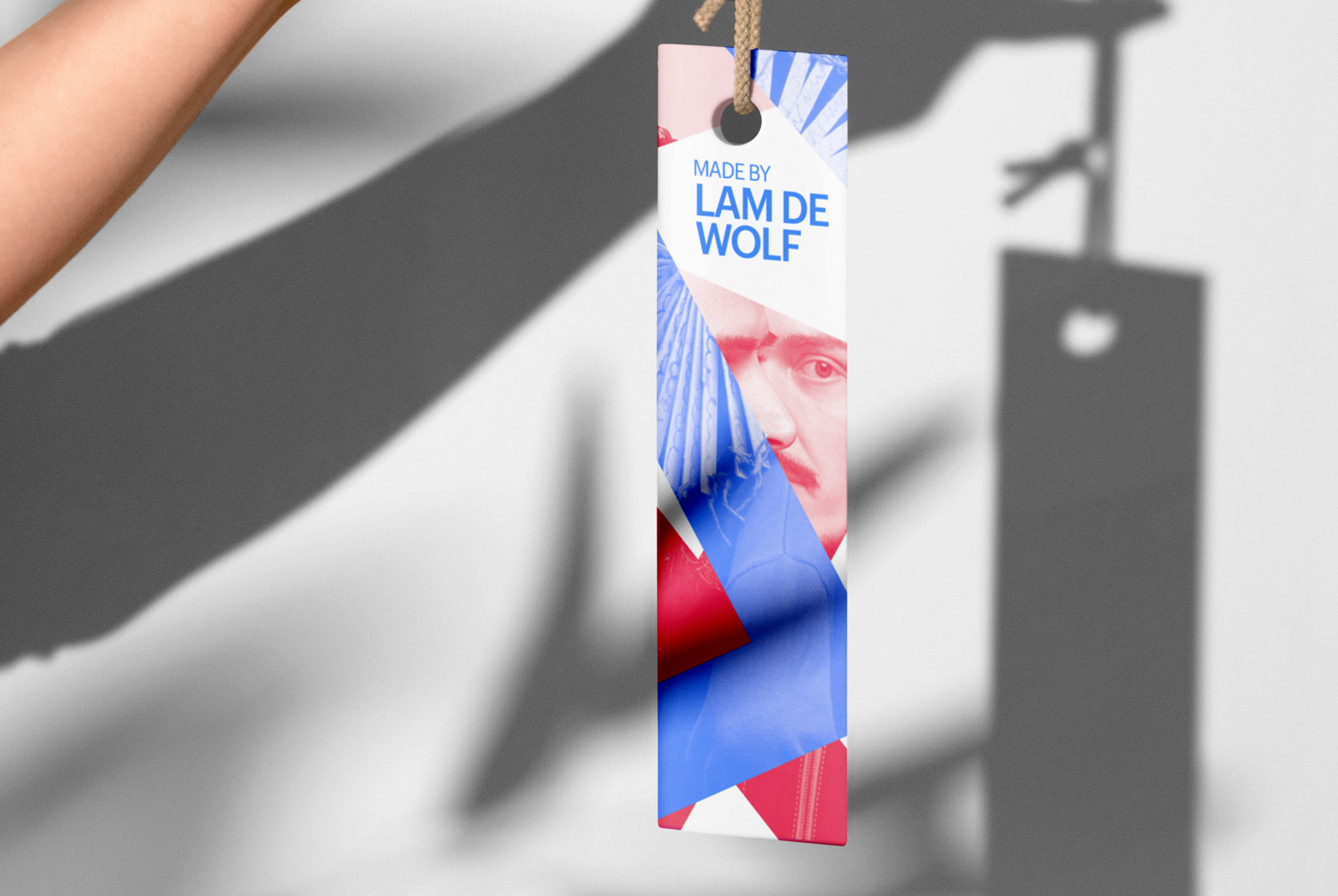
For our final direction (the poster in the middle!), we focused on colour treating contrasting images with a tertiary colour scheme. We worked with a sharp typeface that complements the diagonal cutouts of the images, creating continuity.
A highly saturated tertiary red and blue are used due to their high contrast, which creates a vibrating effect when placed on one another. This establishes the bold exploration of colour within the exhibition. White is then used for balance.
I proposed the use of FK Grotesk Bold for its sharp corners to complement the loud tone of voice established throughout the microsite. Through the use of different weights, a distinct, yet subtle contrast is displayed.
This project has taught me how to find out the different innovative ways in which my team and I could keep the essence of principles & qualities of our designs while transitioning from print to web and enhancing user experience. It was a bit difficult in the beginning, understanding the importance of switching mediums while also seamlessly preserving the original identity of the design. Working closely with my team reinforced the idea to me that effective communication is important when finding the balance between functionality and design
lupton’s design principles
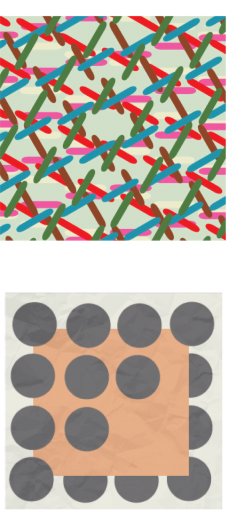
pattern for structural unity
Creating harmony through patterns with its subtle yet dynamic repetition.
Balance contrasting features through applying similar textures to each form.
Through repetition, different elements feel more unified and harmonic by creating a sense of rhythm. Variations in space that emerge from scale shifts, guide viewers’ eyes around the composition and yield intrigue.
Through copywriting, content strategy, and backing up the all reasonings behind our art direction, I learned how to create meaningful content through the choice of language used. Every word was selected intentionally to create an intimate connection between the user and the site. Due to tight deadlines, I was unable to this time around but if I could go back and improve the microsite, I would like to try out more combinations of design principles and qualities and see what other posters could result from iterating. How different would the microsite have turned out?
texture to unify contrasting forms
scale shifts to create rhythm
layering to create visual weight
By layering graphical forms, elements of the composition carry depth. Certain elements can be softened, emphasized, or separated through the adjustment of transparency levels.
contrast colours to emphasize elements
final poster iterations
mockups