
overview
Neil Squire’s Makers Making Change is a program that connects people with disabilities to volunteers who can create affordable assistive technology. Their mission is to foster economic and social inclusiveness for all people with disabilities.
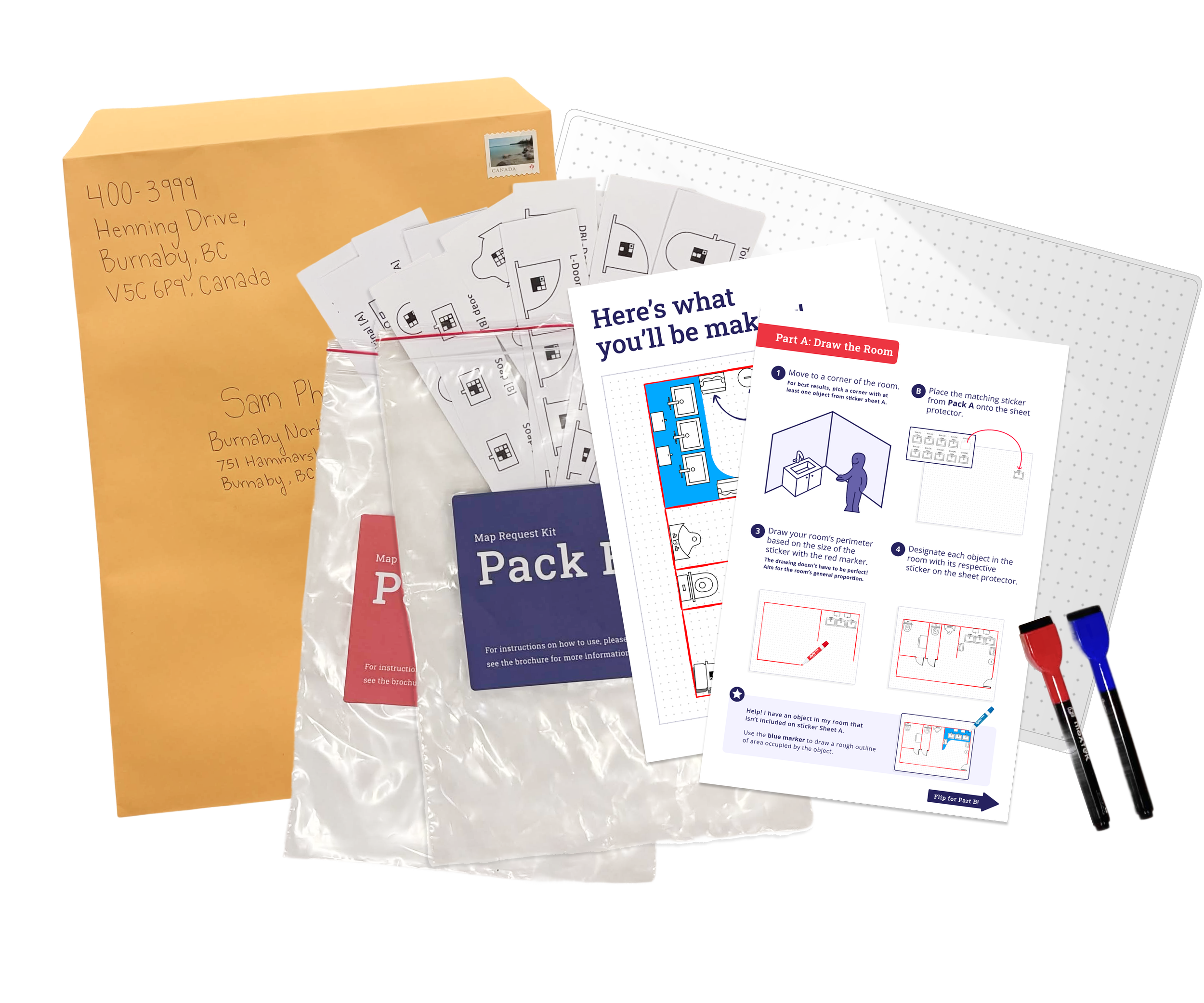
This was an academic group project for a user interaction design course where we developed a lightweight mapping kit that streamlines the collection and mapping of real-world objects into spatial data for computer vision applications, supporting design engineers in producing accurate tactile maps.
what are tactile maps?
Tactile maps are learning tools for helping visually impaired individuals (PVIs) understand new spaces. By using raised lines, textures, braille, and key landmarks, these maps help spatial orientation (Neil Squire, 2024).
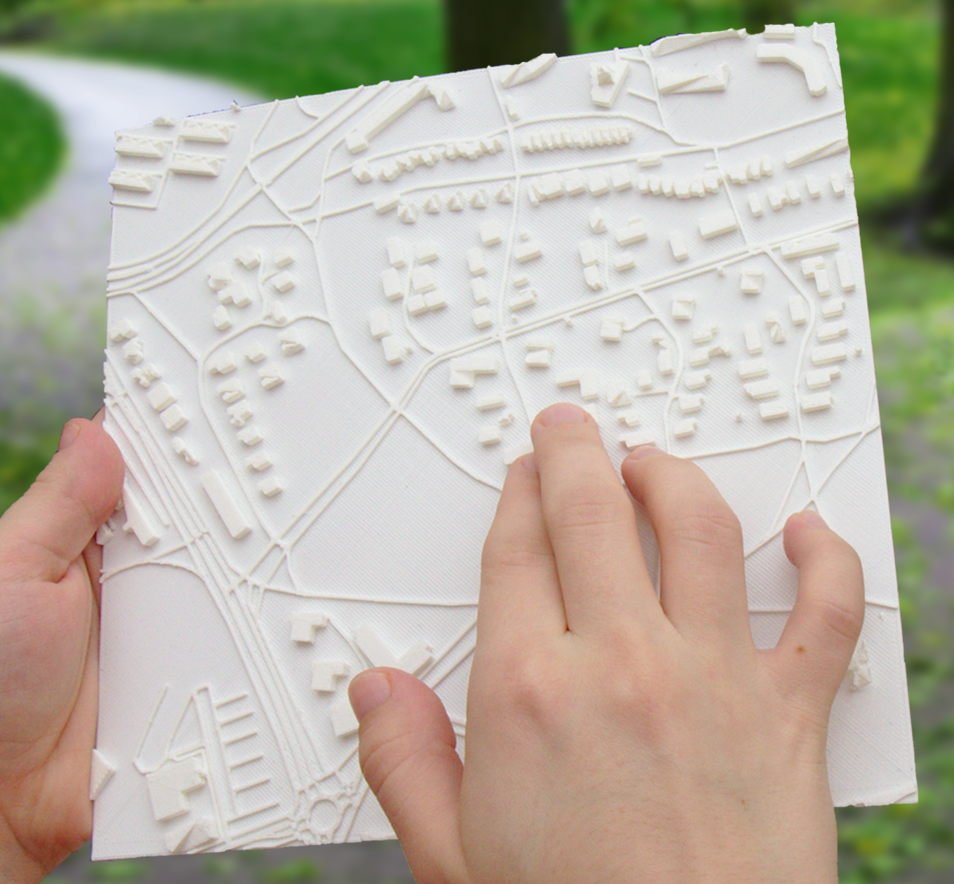
Currently, Makers Making Change offers two types of tactile maps readily available for 3D printing:
Customized tactile maps via internal engineers, typically learned about through word of mouth
Online files of roads and intersections—printed and mailed by volunteer makers
To define our problem space, we’ve decided to focus on their internal engineer process for tactile map creations.
the issue
Custom tactile map internal requests currently lack structure, resulting in inefficient, prolonged communication between map requesters and MMC’s internal engineers.
“Some people don’t have access to their floor plans... There’s lots of back and forth between [us and the map requesters].” – Reed Schrad, BC outreach at MMC
On top of that, developed mapping technology exist for geographical information systems (GIS) but indoor applications are still underdeveloped. Even if they have a floor plan, accurate essential information for tactile maps like furniture and fixtures are not always included and is dependent on the scale of the space.
This led us to the research question of “How do sighted individuals interpret and attempt to articulate indoor spaces without prior spatial education?”
To assist our secondary research in answering our research question, we conducted a workshop to understand more about spatial communication, with the goal to emulate the current communication pipeline from sighted map requestors to sighted engineers at MMC.
The workshop consisted of two parts:
People with no cartographic experience were instructed to articulating a space with tools of varying depth and dimension
Individuals with experience fabrication 3D spaces to review the results created from Part 1
We compared three methods to learn more in depth about spatial capturing techniques:
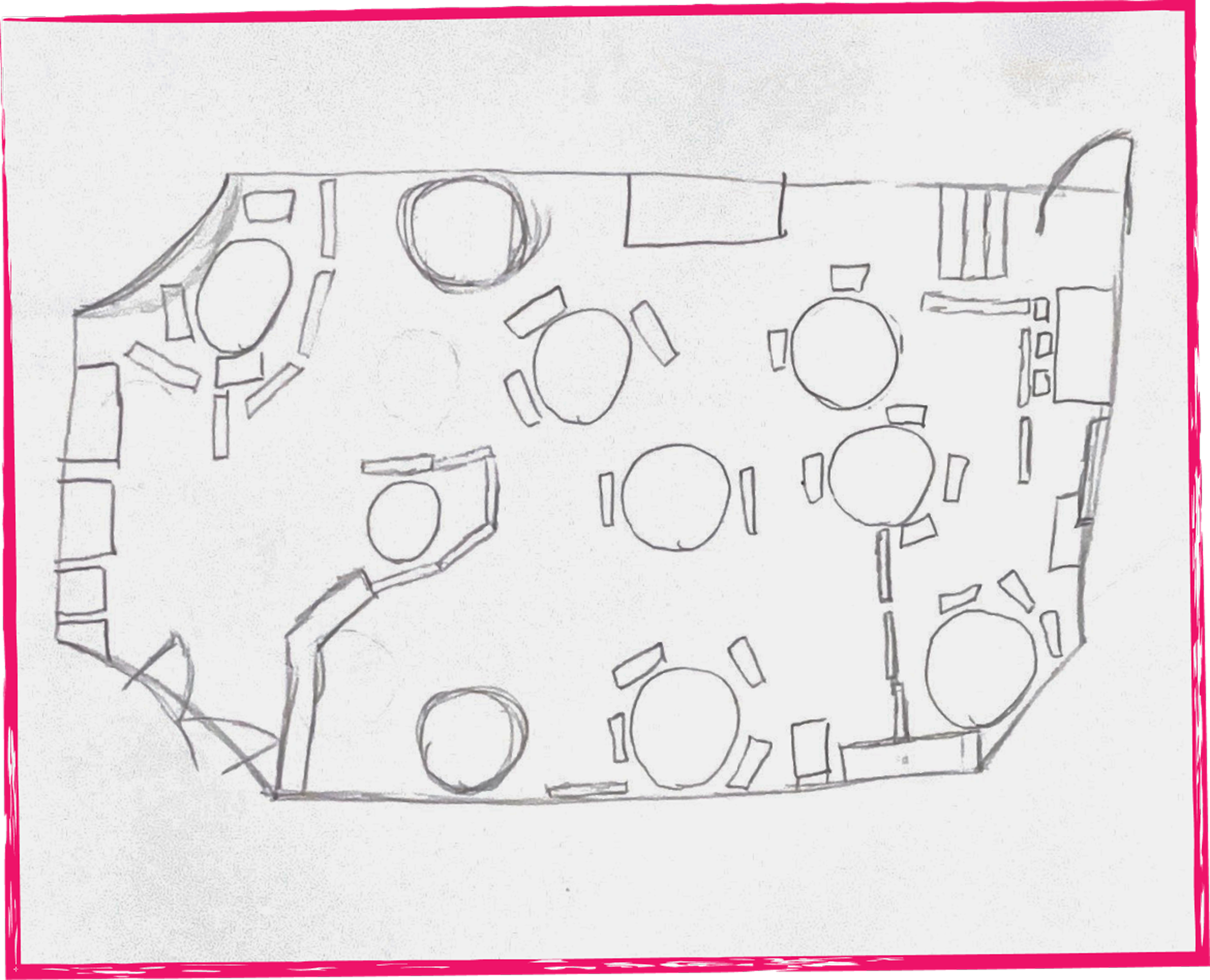
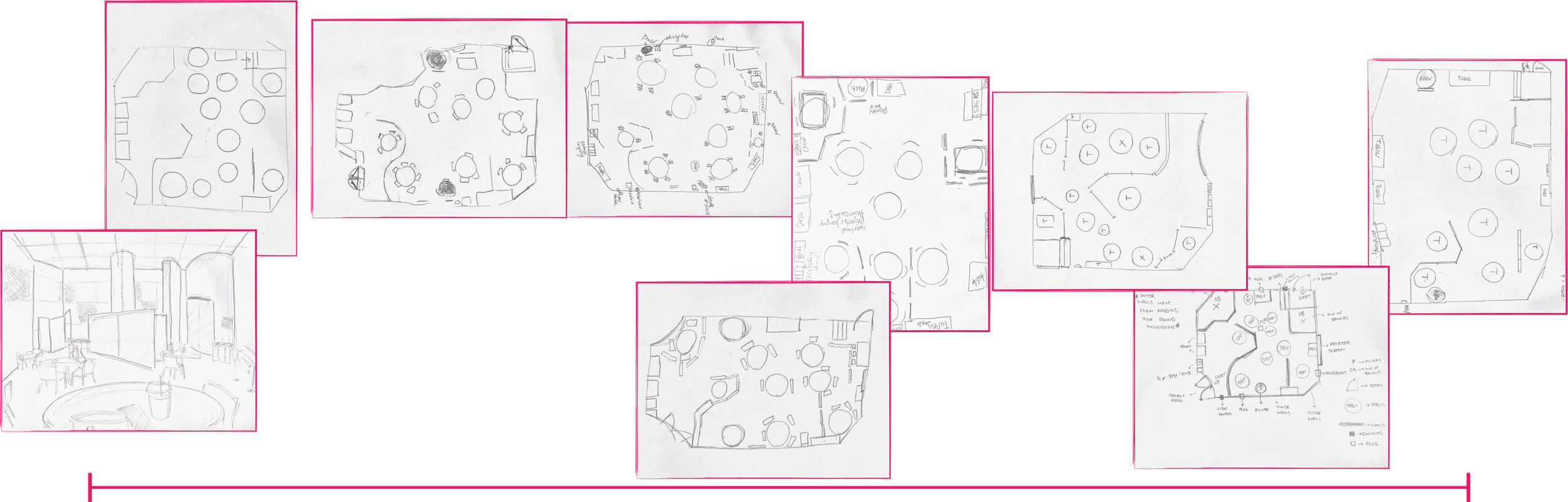
(1) Sketches to understand their basic mapping principles
Most difficult to convert
Neil Squire’s Makers Making Change
A lightweight mapping kit that streamlines the collection and mapping of real-world objects into spatial data for computer vision applications, supporting design engineers in producing accurate tactile maps
Most difficult to convert
Hand-drawn sketches
When comparing the map requesters’ likes and difficulties to engineers, we found they were too ambiguous to reliably translate accurate spatial models
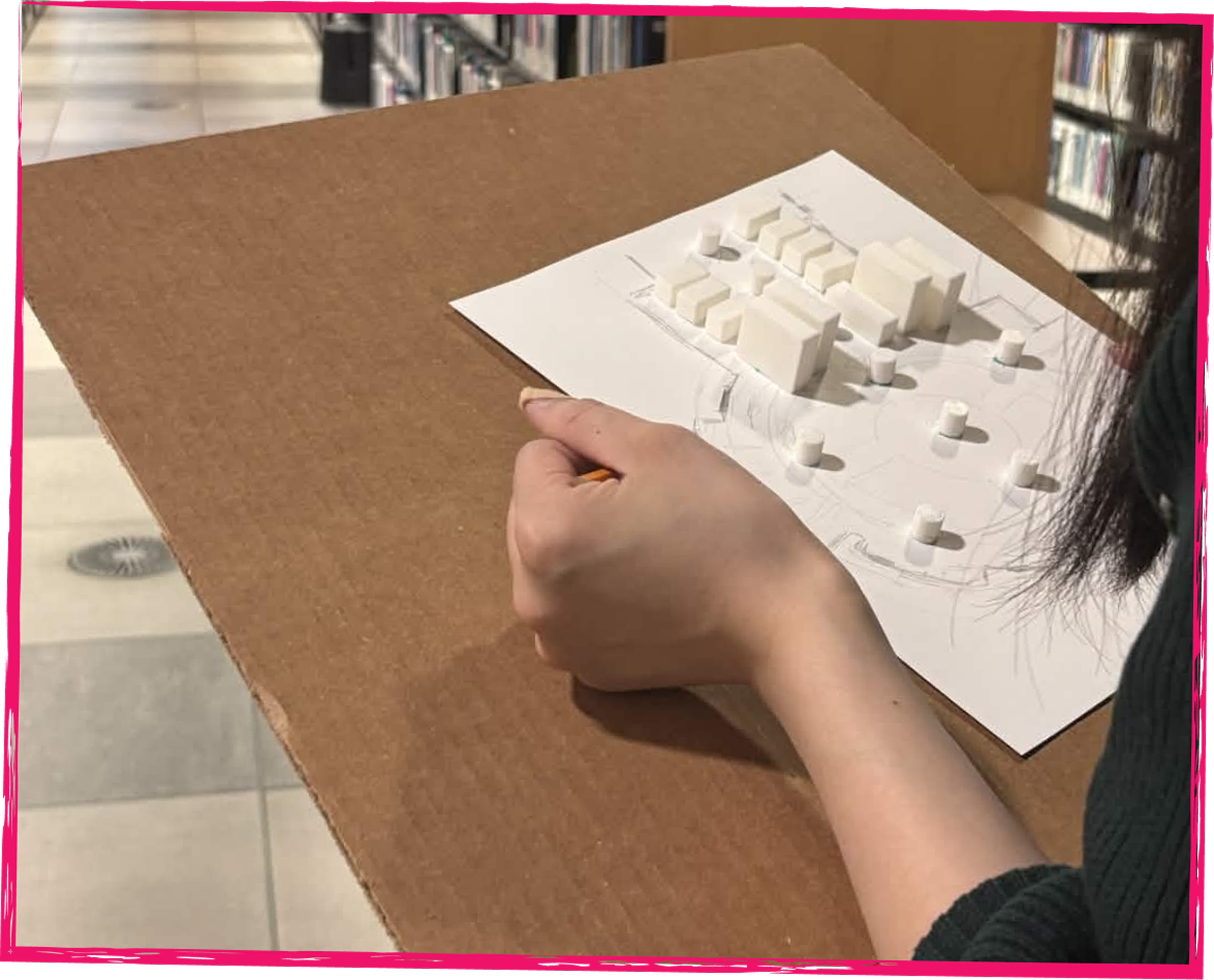
(2) Modelling blocks to understand their 3D interactions
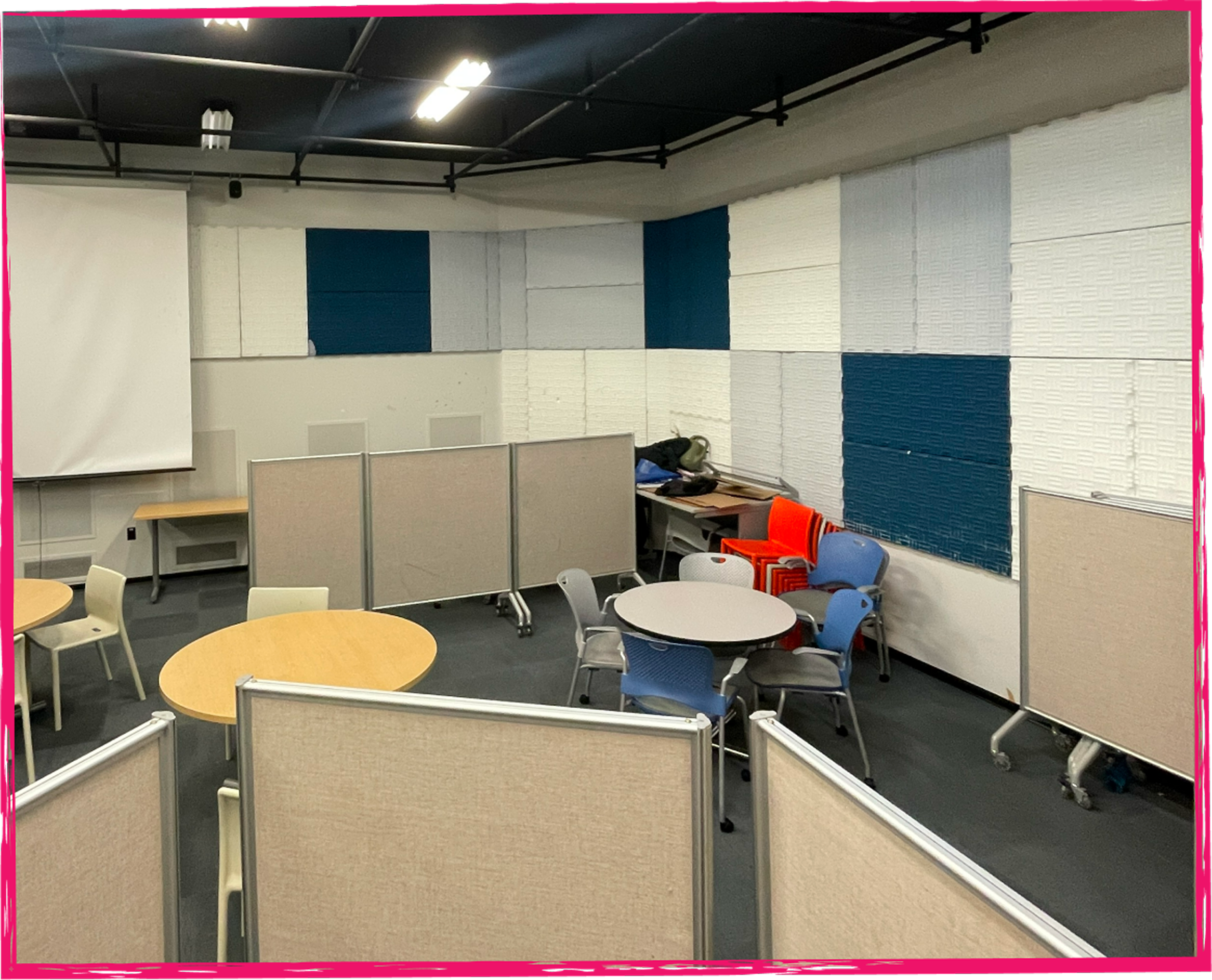
(3) Videos to understand ease of documentation
Using these artifacts from Phase 1, we asked the engineers to rank each participant’s result, and most importantly why they are easier or harder to convert.
Least difficult to convert
A final interview was then conducted with each engineer, covering which of the three methods would be easiest to convert.
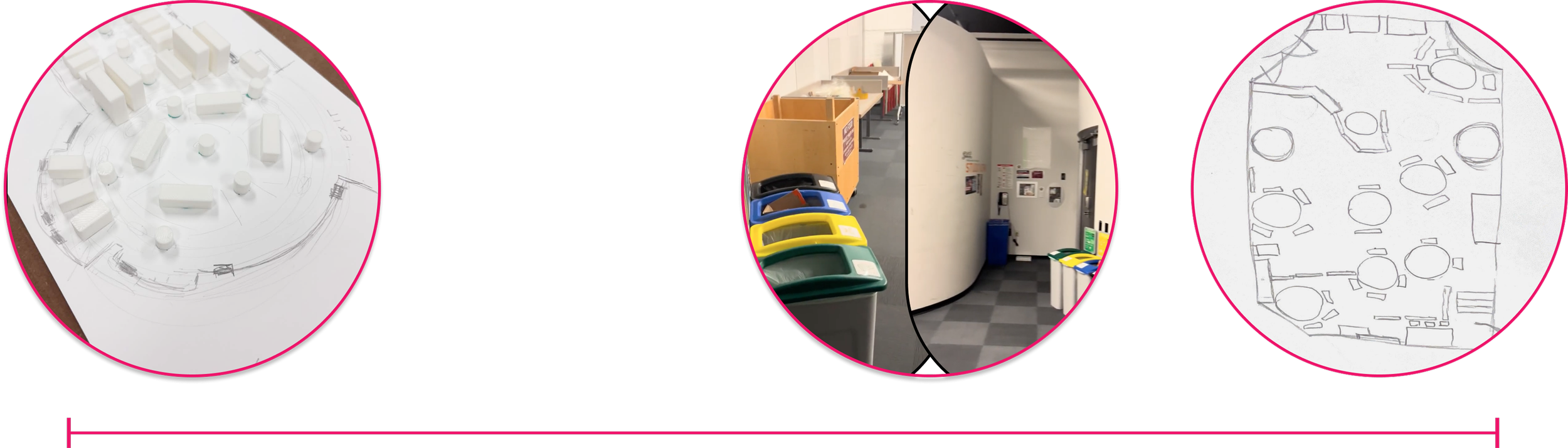
Least difficult to convert
Hand-drawn sketches
When comparing the map requesters’ likes and difficulties to engineers, we found they were too ambiguous to reliably translate accurate spatial models